Stoicism
What is in my power, and what is not?
A practical philosophy insisting that virtue is the only true good, that events are indifferent, and that our judgments — not the world — are what disturb us.
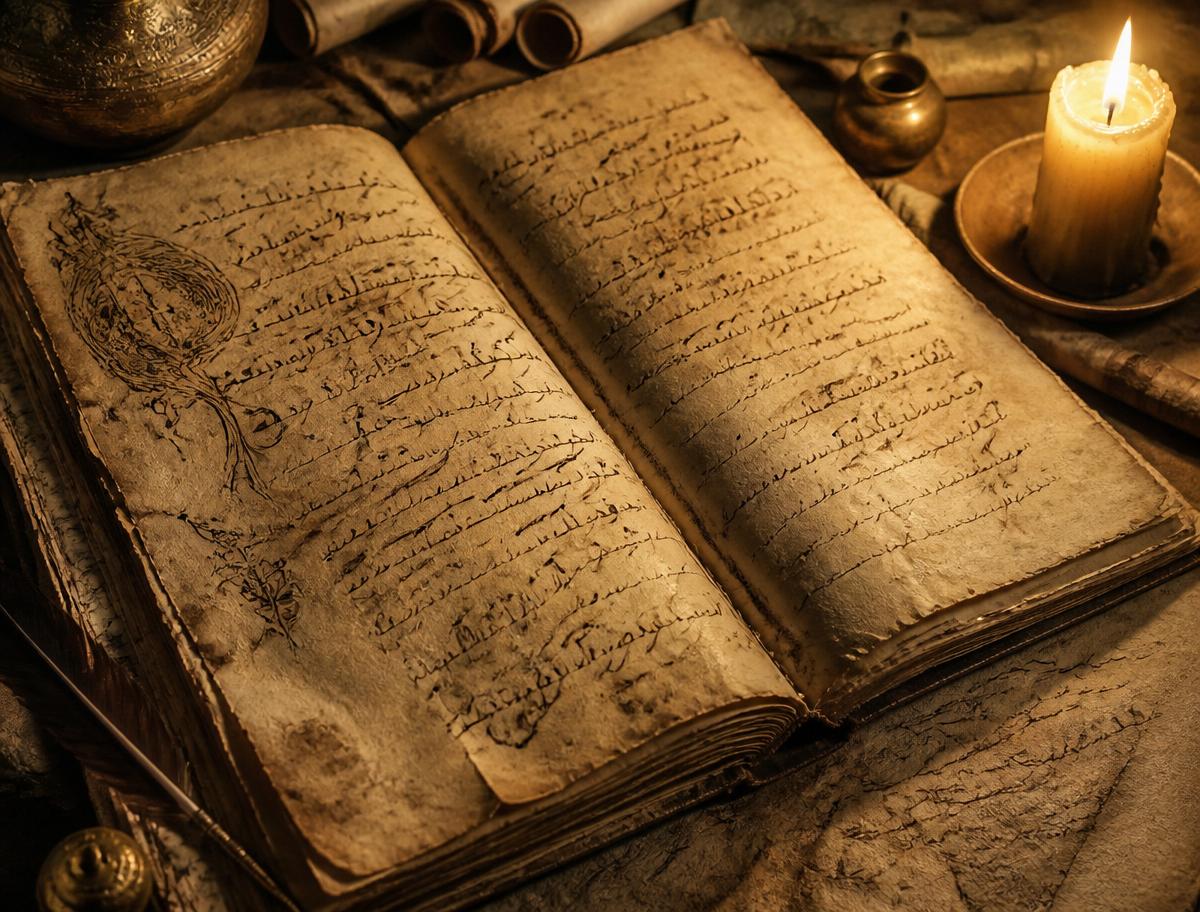
Freedom through what depends on us.
What this tradition is asking
Every wisdom tradition begins with a question. For Stoicism, that question is not primarily academic — it is existential. It is asked because how you answer it changes how you live.
What is in my power, and what is not? — the tradition returns to this question in text after text, life after life, generation after generation.
“You have power over your mind — not outside events. Realize this, and you will find strength.”
Core ideas
These are not slogans. Each has been debated, commented on, lived, and revised across centuries. Consider them entry points, not conclusions.
- ◆The dichotomy of control
- ◆Virtue as the sole good
- ◆Memento mori
A note on reading these texts
Ohananda does its best to distinguish direct translation from interpretation. Where possible, we point back to the original source, chapter or verse. Where a passage is a modern paraphrase, we say so. The tradition itself deserves to be met on its own terms.