The Hand That Stayed Open
Short story about love that keeps growing when we let go.
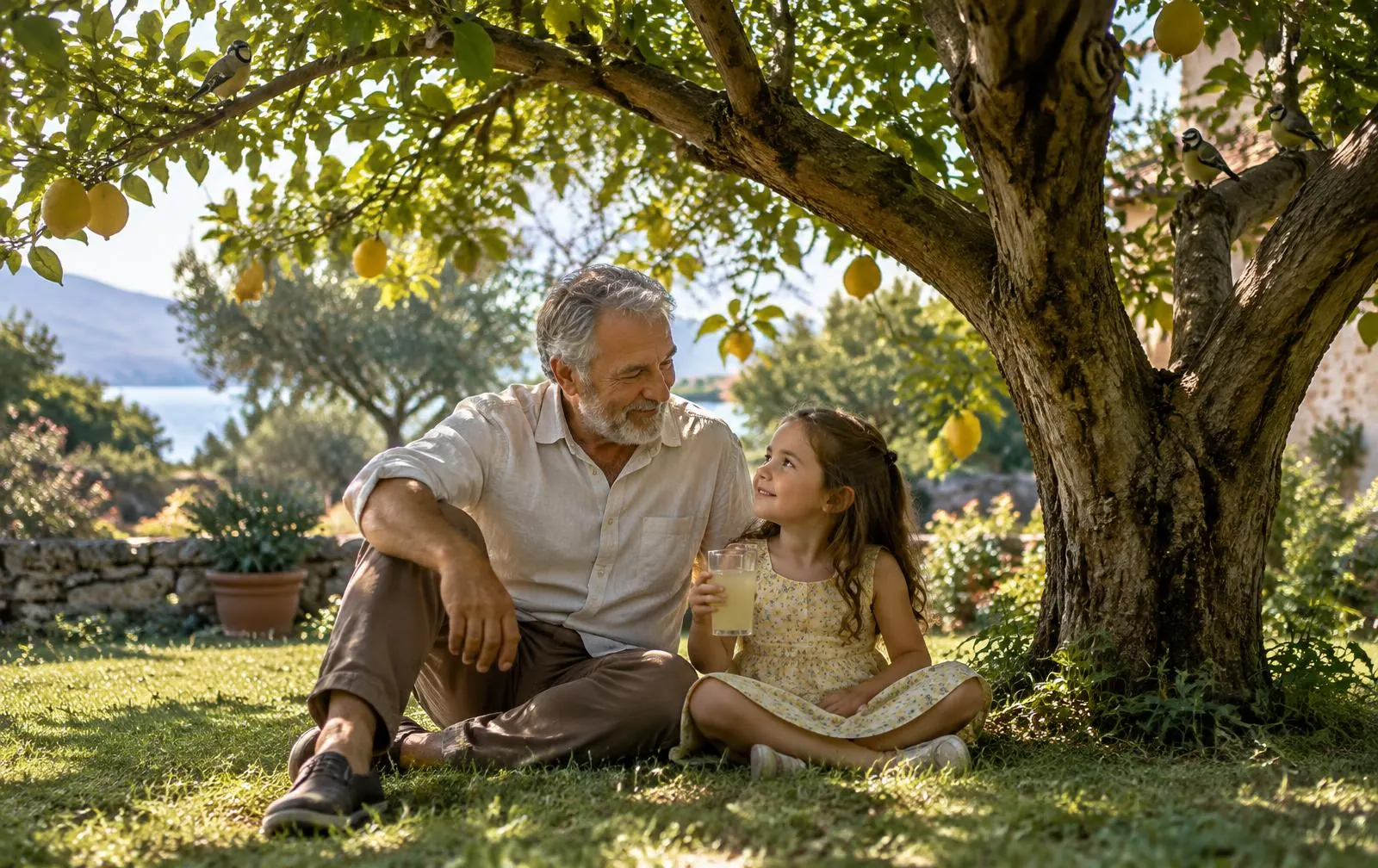
For forty years, Ariel tended a small garden behind his home.
He planted fruit trees, flowers, and herbs. Every morning, before sunrise, he went out to water, prune, and clear away the dry leaves.
More than anything, he loved one almond tree, planted on the day his daughter was born.
One day, the town council told him that the land his garden stood on was needed for a new school.
Ariel fought the decision. He wrote letters, turned to his neighbors, pleaded. At night, he struggled to sleep.
His daughter, now a grown woman, came to visit.
"Dad, why are you so sad?"
"They're taking my garden away from me. Everything I've grown."
She was quiet for a moment. Then she asked:
"Dad, do you remember teaching me how to hold a butterfly?"
He smiled despite himself.
"Of course. I told you to keep your palm open. If you closed it, you'd hurt the butterfly."
"And if it flew away?"
"Then it would fly away."
"Would that mean it had never rested in your hand?"
Ariel looked at her for a long time.
The next morning, he went out into the garden. For the first time in weeks, he wasn't thinking about what he would lose.
He gathered seeds from every flower, took cuttings from the shrubs, and gave them to neighbors and children passing in the street.
When the bulldozers arrived, he stood beside the gate and watched quietly.
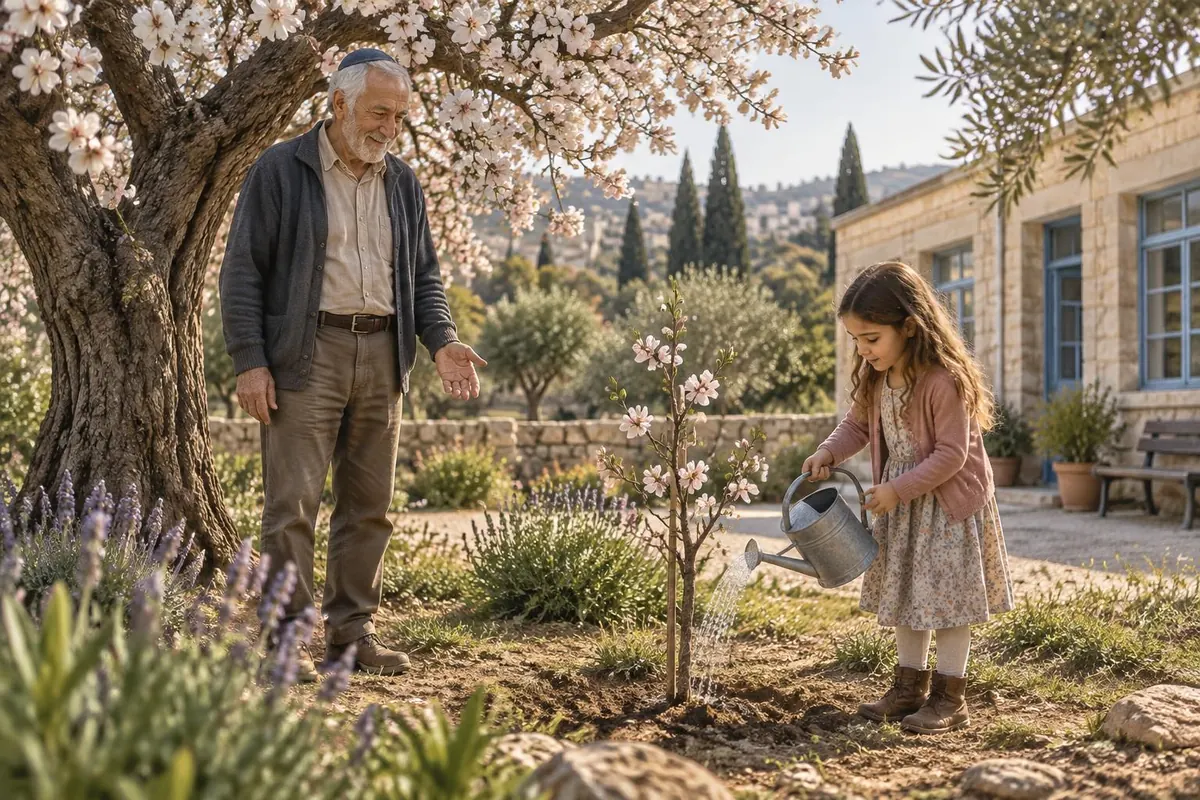
A year later, on his way to the new school, he saw lavender blooming in the yards, young fruit trees in his neighbors' gardens, and a small almond tree beside the school gate.
A little girl stood beside it, watering it carefully.
"Is this your tree?" he asked.
"No," she replied. "I'm just helping it grow."
Ariel smiled.
All his life, he had thought the garden belonged to him. Only when he let it go did he discover how far it could grow.
Perhaps what we truly love doesn't need to belong to us to keep blooming.
Aparigraha — Yoga Sutras of Patanjali, 2.39
“अपरिग्रहस्थैर्ये जन्मकथंतासंबोधः Aparigraha-sthairye janma-kathantā-sambodhaḥ When one becomes firmly established in non-possessiveness, deeper understanding of life's origins and purpose arises.”
An original, fictional Ohananda story inspired by ancient yoga wisdom, not a historical account. The story is a creative interpretation of Aparigraha, not a literal illustration of Sutra 2.39. The English meaning is a free translation.
Aparigraha is one of the five Yamas: non-possessiveness and non-attachment. Sutra 2.39 connects becoming firmly established in this principle with deeper understanding of life's origins and purpose.
The story offers a creative interpretation: love and care do not require ownership. Ariel does not stop loving his garden; he allows what grew there to keep blooming beyond its boundaries.
Questions & answers
+What is the message of "The Hand That Stayed Open"?
Perhaps what we truly love doesn't need to belong to us to keep blooming. Aparigraha is one of the five Yamas: non-possessiveness and non-attachment. Sutra 2.39 connects becoming firmly established in this principle with deeper understanding of life's origins and purpose. The story offers a creative interpretation: love and care do not require ownership. Ariel does not stop loving his garden; he allows what grew there to keep blooming beyond its boundaries.
+What is Aparigraha (Non-attachment)?
Hold what you love with an open hand. You can care deeply without making everything yours to keep.
+Is this a true story?
An original, fictional Ohananda story inspired by ancient yoga wisdom, not a historical account. The story is a creative interpretation of Aparigraha, not a literal illustration of Sutra 2.39. The English meaning is a free translation.
+Which wisdom tradition inspired this story?
Yama & Niyama — Aparigraha — Yoga Sutras of Patanjali, 2.39. The Art of Living in Harmony
What in your life could you love without holding on to it?