Many paths. Timeless questions.
Across cultures and centuries, human beings have wrestled with love, fear, loss, purpose, ego and the mystery of existence. Explore the traditions that continue to illuminate those questions.
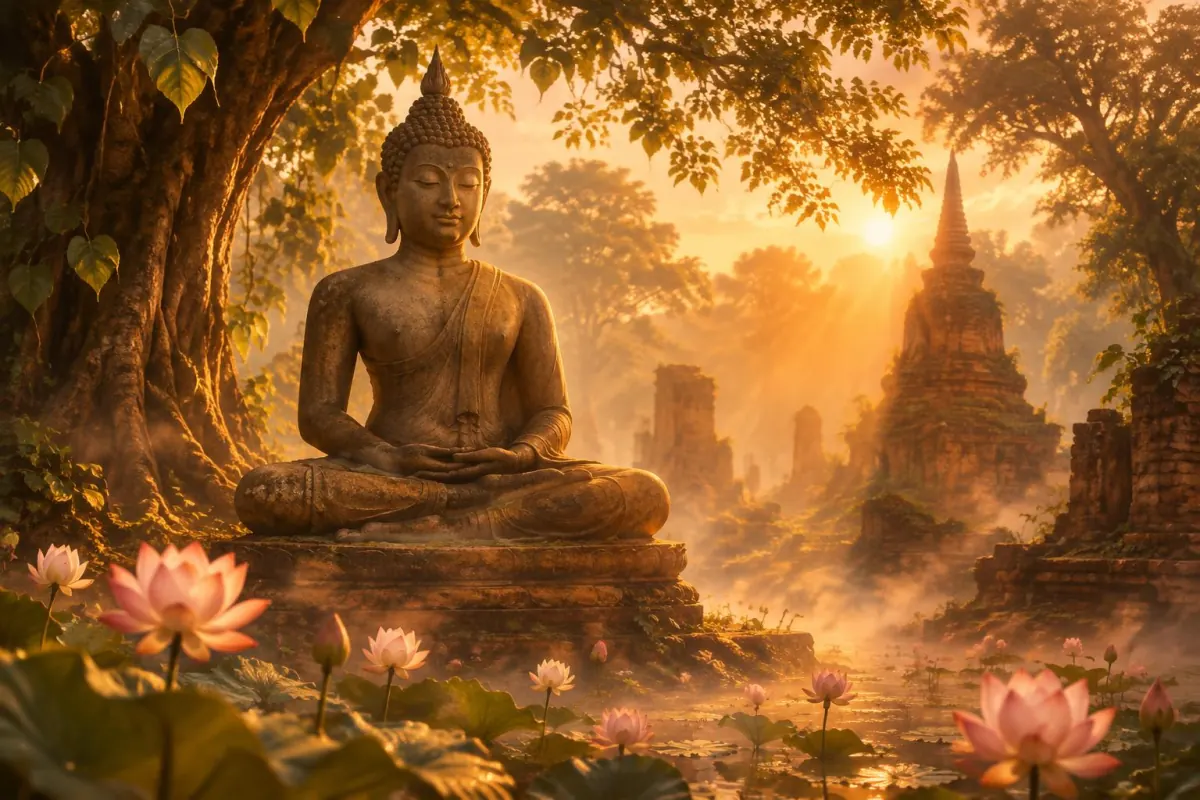
India, then across Asia · c. 5th century BCE
Buddhism
The end of suffering through clear seeing.
9 stories
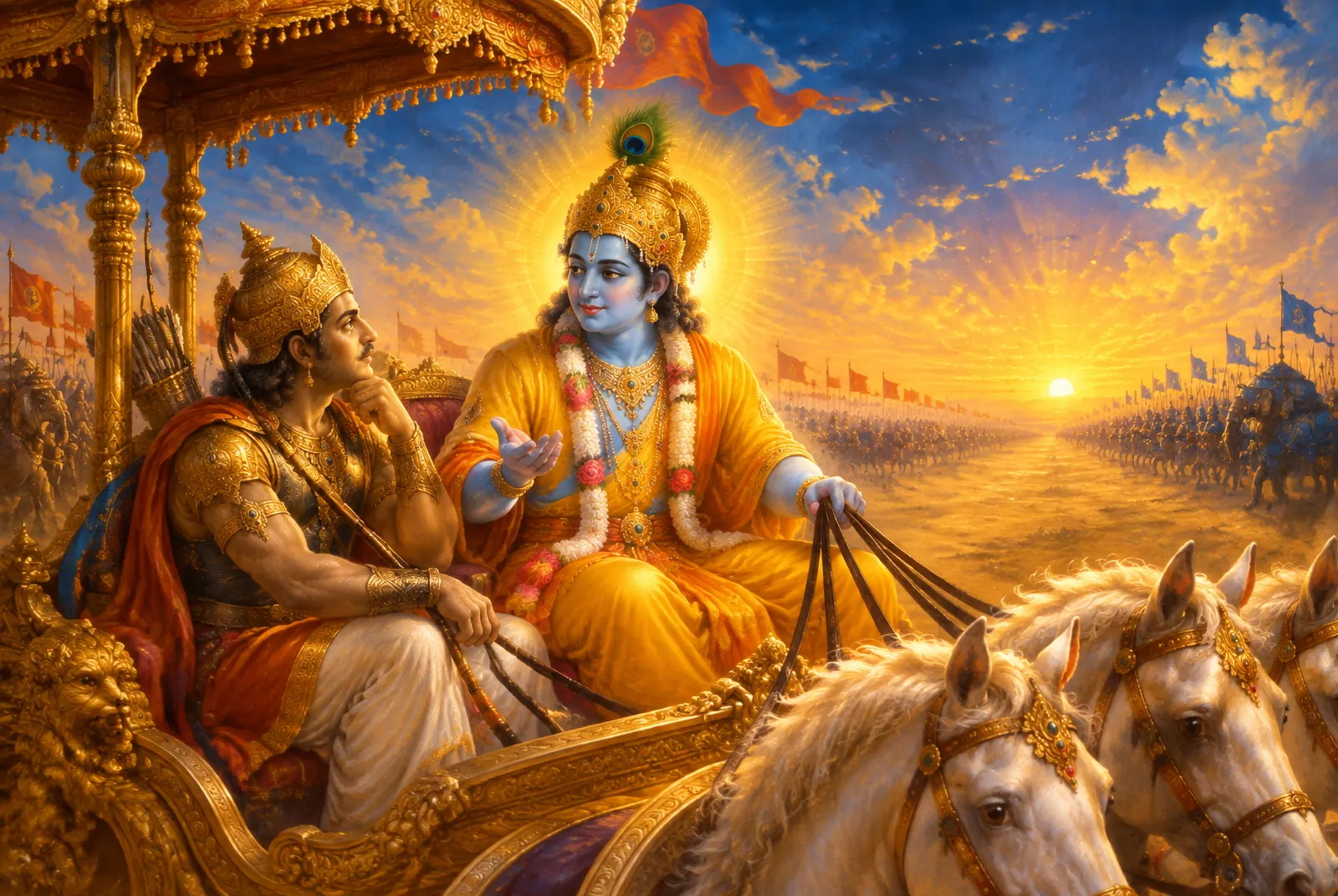
India · c. 2nd century BCE
Bhagavad Gita
How to act when action feels impossible.
10 stories
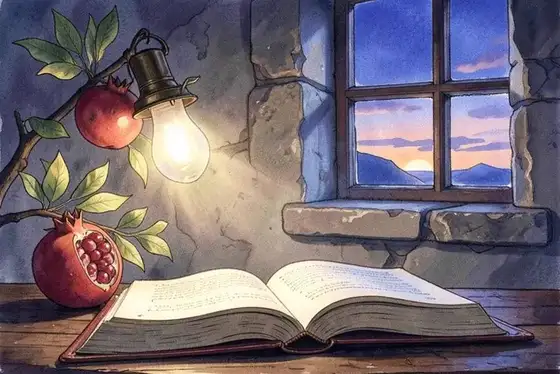
Israel and the Jewish diaspora · Biblical antiquity to the present
Jewish Wisdom
Argument, blessing, and the work of repair.
12 stories
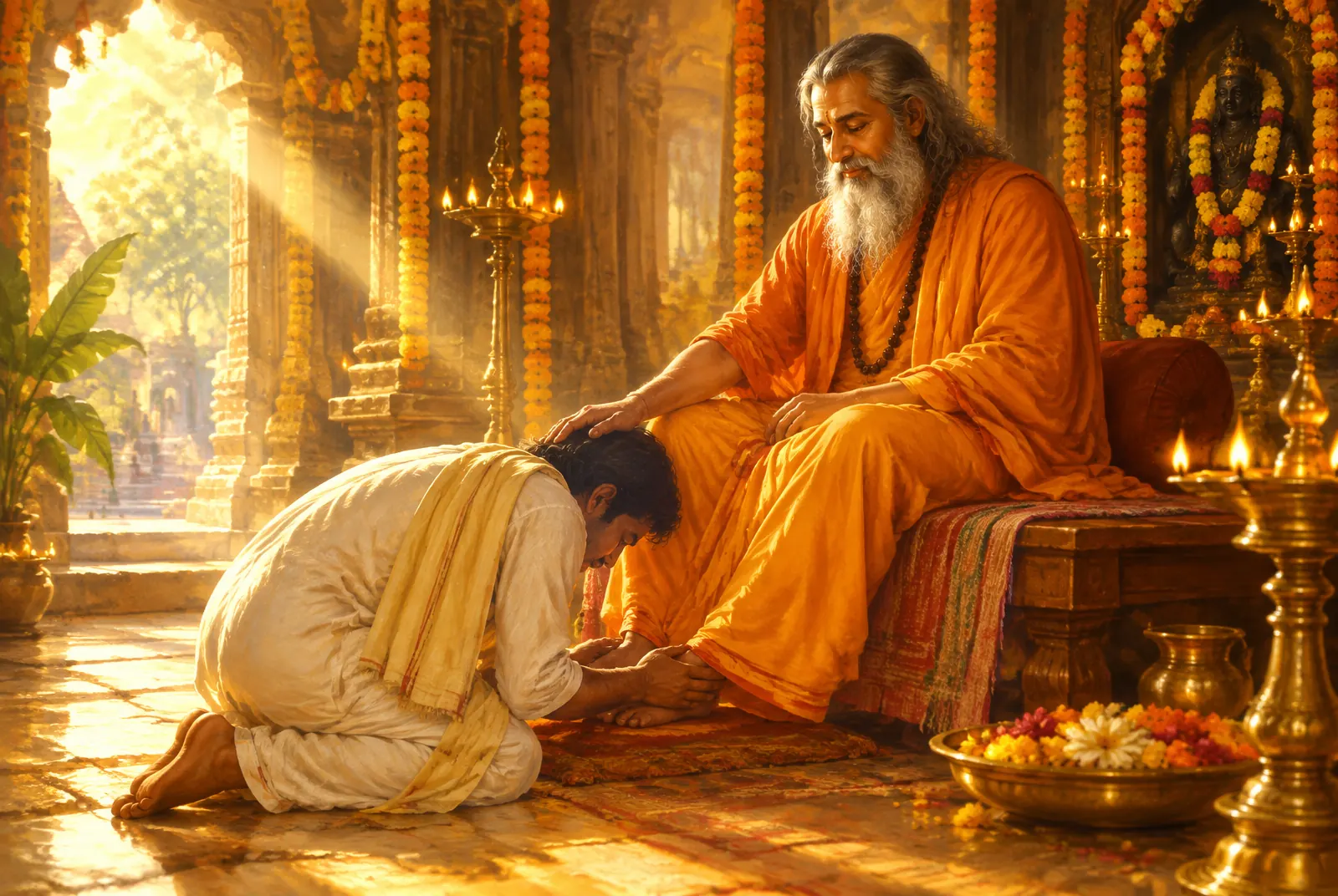
India · Ancient to living tradition
Bhakti Yoga
Love and devotion made visible in how we meet others.
7 stories
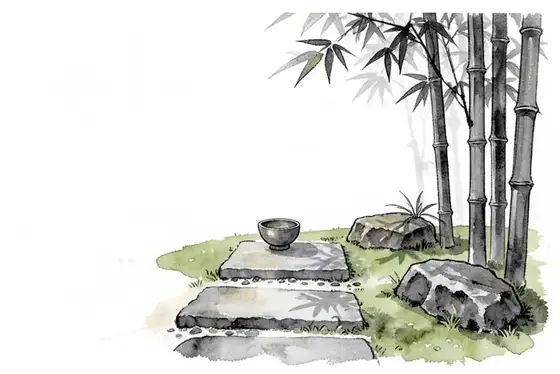
China, then Japan · c. 6th century CE
Zen
Direct pointing, before thinking.
6 stories
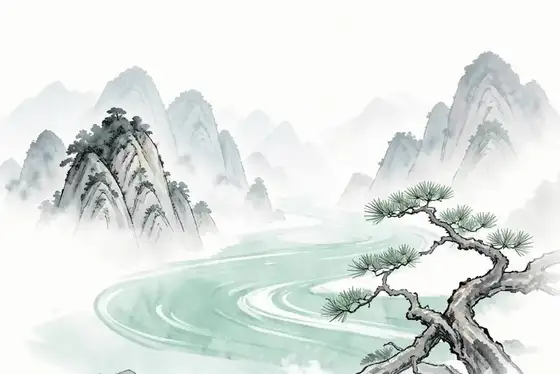
China · c. 4th century BCE
Tao Te Ching
The strength of what yields.
7 stories
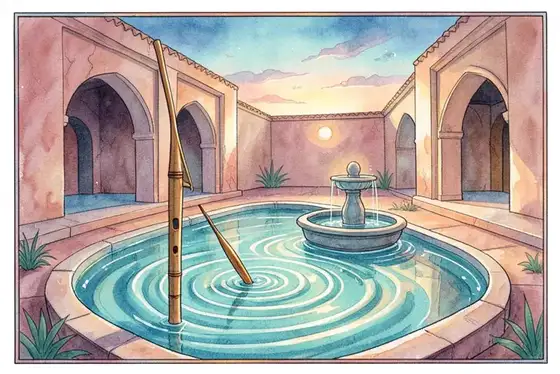
The Islamic world · c. 8th century CE onward
Sufism
The path of the lover.
6 stories
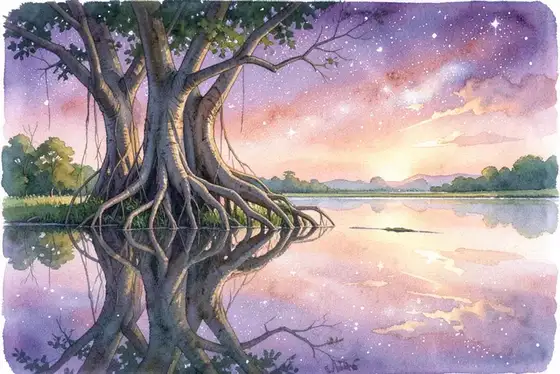
India · c. 800–200 BCE
Upanishads
The turn inward.
5 stories

Greece, then Rome · c. 3rd century BCE
Stoicism
Freedom through what depends on us.
6 stories

India · Yoga Philosophy · Ancient yoga wisdom
Yama & Niyama
The Art of Living in Harmony
10 stories