The Flame Within
Short story about the fire awakened by choosing to rise anyway.
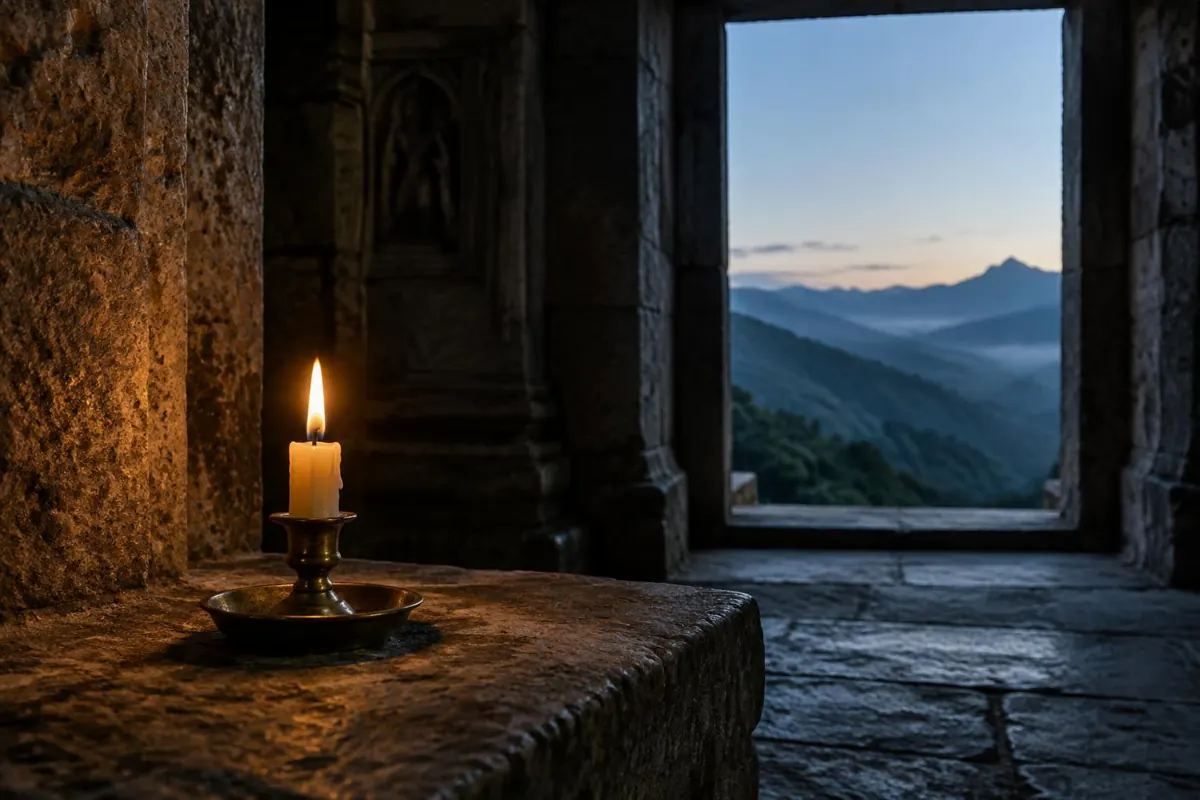
Every morning, long before sunrise, Joseph climbed the steep path to an ancient temple at the top of a mountain.
Inside a small room, a single candle burned.
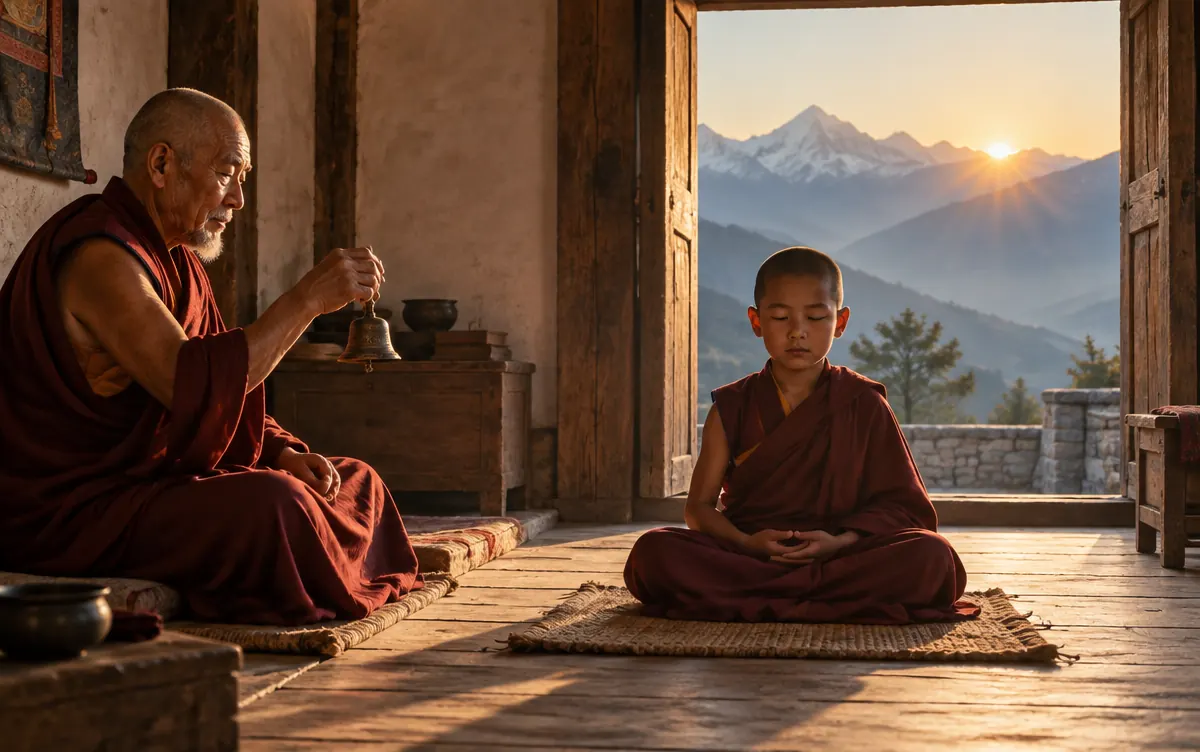
His elderly teacher had given him just one task: come every morning and light the candle.
"How long must I do this?" Joseph asked.
"Until you understand why you come."
At first, he climbed with enthusiasm. The air was clear, the silence peaceful, and his heart full of hope.
Then winter arrived.
The wind lashed his face, rain soaked his clothes, and his legs ached from the climb.
One morning, he woke especially tired. Looking into the darkness outside, he wondered, What difference would it make if I missed just one day?
Still, he got up.
When he reached the temple, he found his teacher sitting in the darkness.
"Why do you keep coming?" the old man asked.
"At first, I came to become a better person," Joseph replied. "Then I came because I had promised. But today... I don't really know. I simply got up and came."
The teacher smiled.
"And what have you discovered along the way?"
Joseph thought for a moment.
"That I cannot always choose how I feel when I wake up. But I can choose what I do."
The teacher stood, walked to the candle, and blew it out.
Joseph was startled. "But that's the candle I came to light!"
"No," the teacher said softly. "That is the candle that helped you light your own."
Joseph stood before the extinguished flame, and for the first time, he understood.
All those mornings, he had not climbed the mountain to keep the temple's flame alive.
He had climbed to discover the flame within himself.
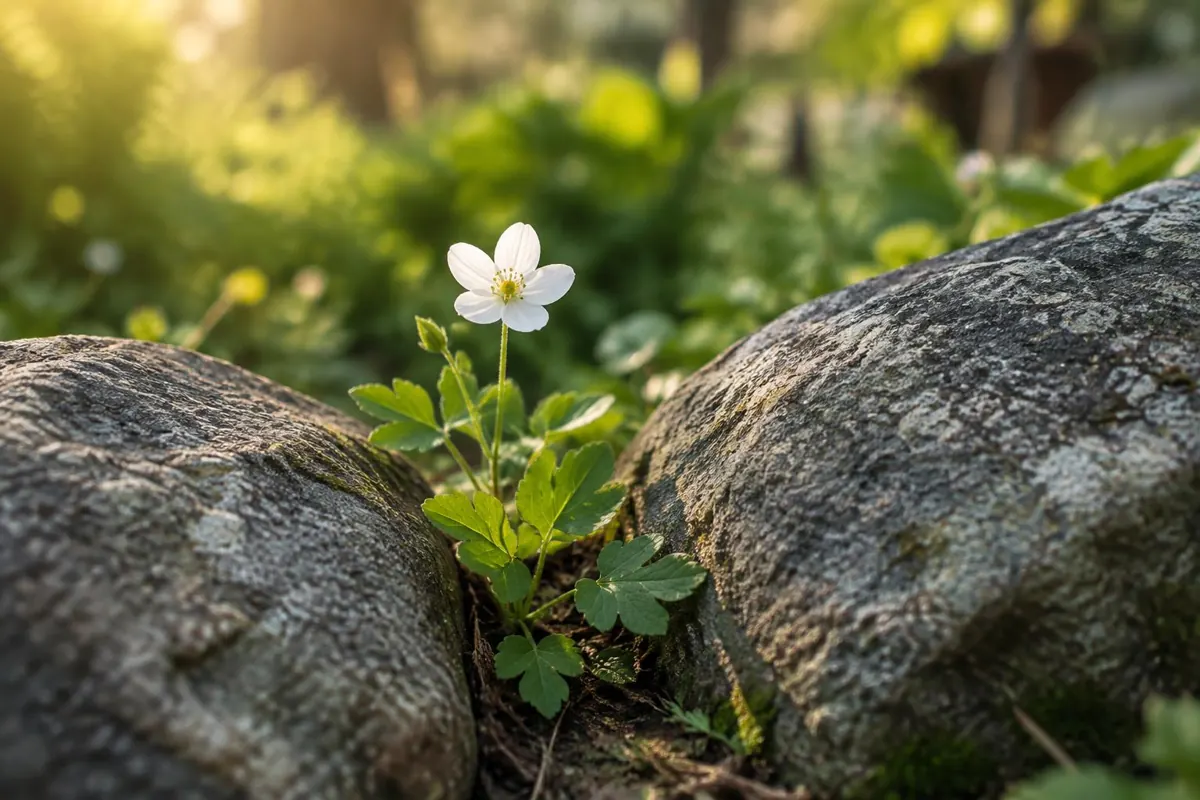
Sometimes our inner fire is not revealed in moments of great inspiration, but on the mornings when we feel no motivation — and choose to rise anyway.
Tapas — Yoga Sutras of Patanjali, 2.43
“कायेन्द्रियसिद्धिरशुद्धिक्षयात्तपसः Kāyendriya-siddhir aśuddhi-kṣayāt tapasaḥ. Through tapas, impurities are diminished, bringing refinement and mastery of the body and senses.”
An original fictional Ohananda story inspired by Tapas and Sutra 2.43, not an ancient story attributed to Patanjali or a historical account. The English wording explains the sutra's meaning rather than claiming to be a literal translation.
Tapas is one of the five Niyamas in yoga philosophy: steady practice, discipline and purifying inner effort. Sutra 2.43 describes a connection between Tapas, diminished impurities, and refinement of the body and senses.
The story offers an everyday image of perseverance: rather than always waiting for inspiration, gently return to a meaningful action. This is an invitation to attentive commitment, not to ignoring the body or pursuing effort without limits.
Questions & answers
+What is the message of "The Flame Within"?
Sometimes our inner fire is not revealed in moments of great inspiration, but on the mornings when we feel no motivation — and choose to rise anyway. Tapas is one of the five Niyamas in yoga philosophy: steady practice, discipline and purifying inner effort. Sutra 2.43 describes a connection between Tapas, diminished impurities, and refinement of the body and senses. The story offers an everyday image of perseverance: rather than always waiting for inspiration, gently return to a meaningful action. This is an invitation to attentive commitment, not to ignoring the body or pursuing effort without limits.
+What is Tapas (Self-discipline)?
Return gently to what matters. Small, steady acts of commitment can kindle lasting change.
+Is this a true story?
An original fictional Ohananda story inspired by Tapas and Sutra 2.43, not an ancient story attributed to Patanjali or a historical account. The English wording explains the sutra's meaning rather than claiming to be a literal translation.
+Which wisdom tradition inspired this story?
Yama & Niyama — Tapas — Yoga Sutras of Patanjali, 2.43. The Art of Living in Harmony
What small, meaningful action could you choose on a morning when inspiration does not arrive?