The Flower That Was Never in a Hurry
Short story about the quiet happiness already here.
Every morning, Jonathan walked into the little garden behind his house.
He loved his garden, yet there was always something missing.
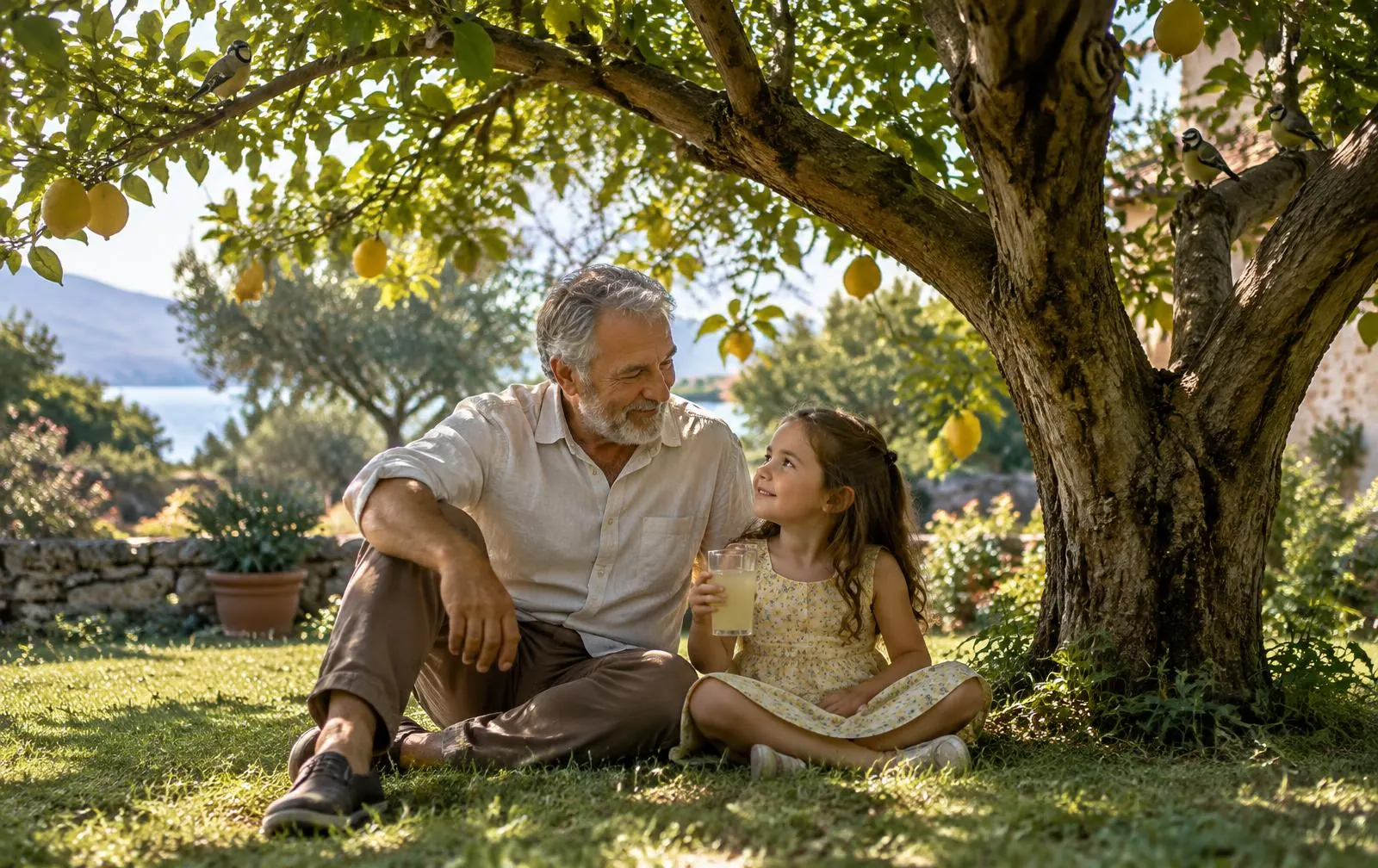
The lemon tree bore too little fruit. The roses bloomed too late. And his neighbor's grass, of course, was greener.
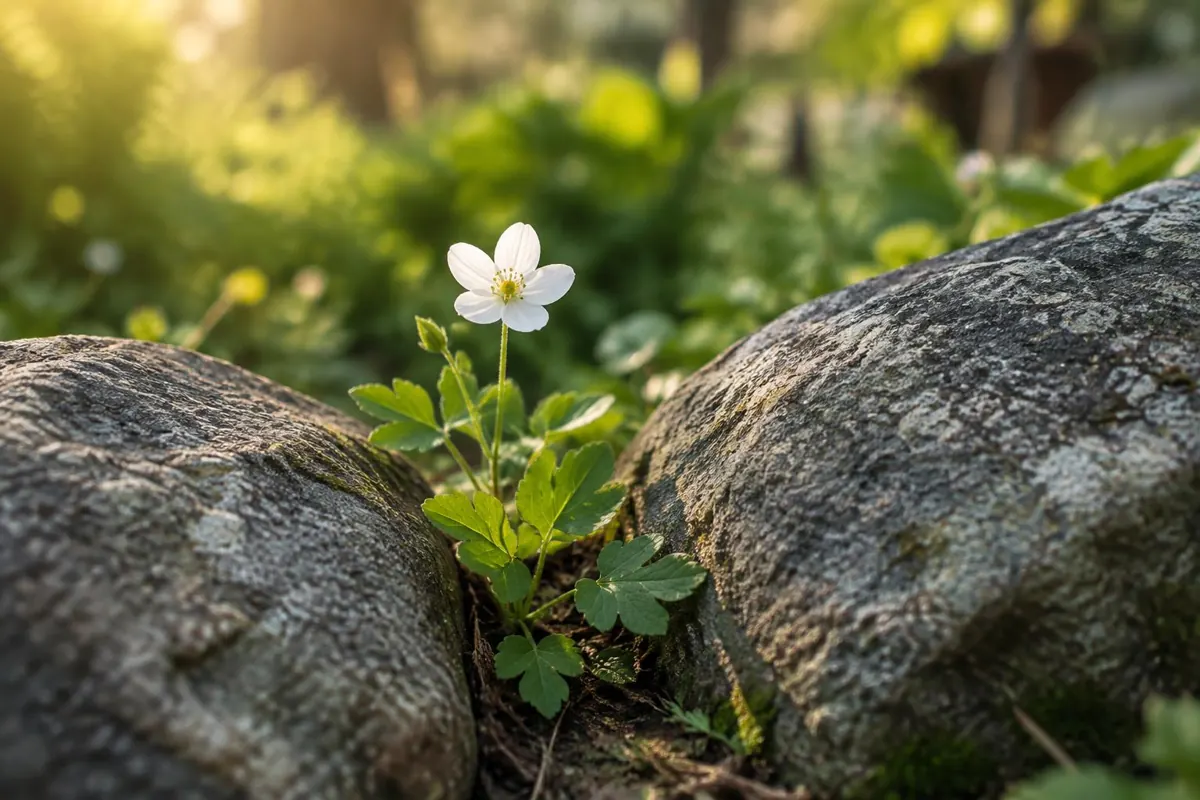
One morning, he noticed a tiny flower growing between two stones.
It was white and simple, almost invisible.
"Poor thing," Jonathan murmured. "What a terrible place to grow."
He fetched a small spade, preparing to move it to a sunny flowerbed.
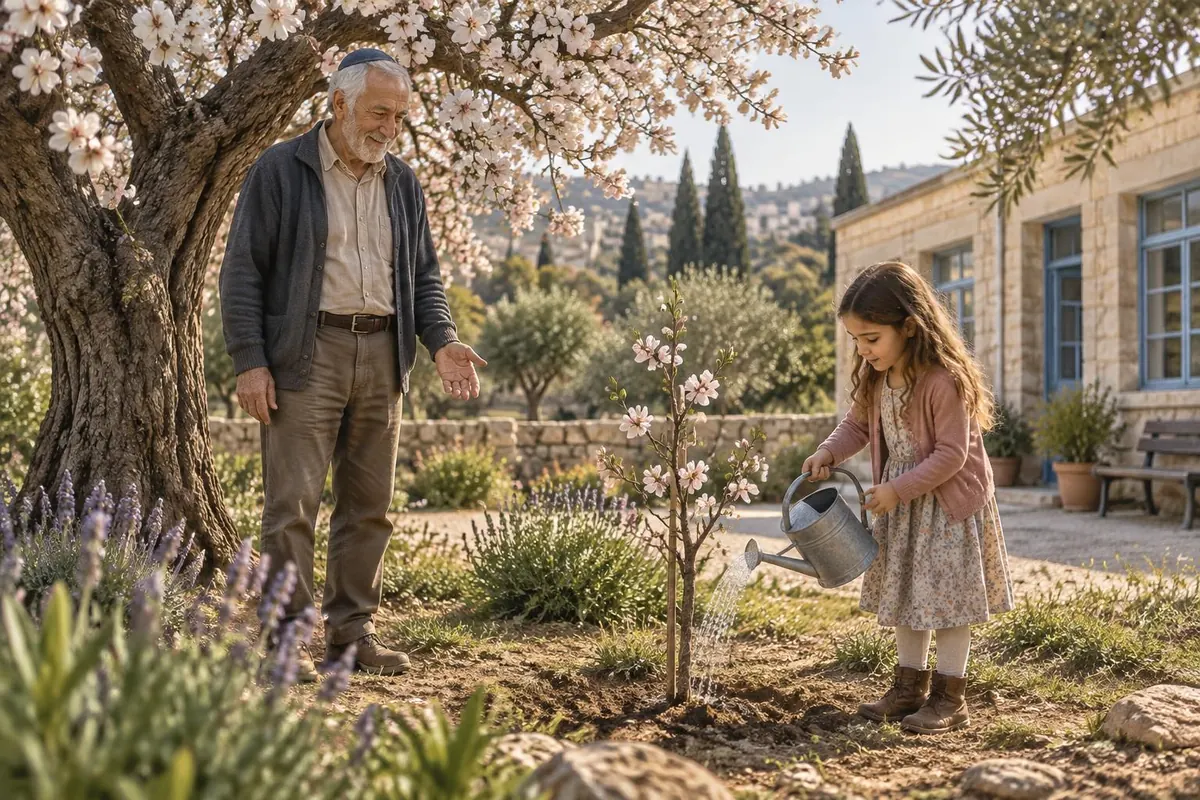
"What are you doing?" asked his elderly father, sitting beneath the tree.
"Giving it a chance at a better life."
His father approached, knelt beside the flower, and asked:
"And how do you know its life isn't good already?"
Jonathan smiled. "Look where it's growing. Between stones, with barely any soil."
"True," said his father. "And yet, it's blooming."
Jonathan lowered the spade.
His father continued, "All your life, you've searched for a better place for your flowers, a better season for your trees, and a better life for yourself."
"What's wrong with that?" Jonathan asked.
"Nothing, my son. I have only one question: When you finally find everything you've been looking for, will you know how to stop looking?"
Jonathan fell silent.
The next morning, he returned to the garden.
The lemon tree still bore little fruit. The roses were still late. His neighbor's grass was still greener.
Nothing had changed.
Except one thing.
For the first time in years, Jonathan sat in his garden without searching for something to fix.
And suddenly, he saw how beautiful it was.
Contentment is not the moment everything becomes as we wished. It is the moment we stop demanding that everything change before we allow ourselves to be happy.
Santosha — Patanjali's Yoga Sutras, 2.42
“संतोषादनुत्तमसुखलाभः Santoṣād anuttamaḥ sukha-lābhaḥ "From contentment comes unsurpassed happiness."”
An original fictional Ohananda story inspired by Santosha, not an ancient historical account or a story from the Yoga Sutras. The quotation is an English translation of Sutra 2.42; the Sanskrit transliteration is reproduced as supplied.
Santosha, or contentment, is one of the five Niyamas in yoga philosophy. In Sutra 2.42, Patanjali links contentment with unsurpassed happiness.
The story invites us to notice the beauty already present without making every missing thing a condition for happiness. We can tend the garden while appreciating what already blooms there.
Questions & answers
+What is the message of "The Flower That Was Never in a Hurry"?
Contentment is not the moment everything becomes as we wished. It is the moment we stop demanding that everything change before we allow ourselves to be happy. Santosha, or contentment, is one of the five Niyamas in yoga philosophy. In Sutra 2.42, Patanjali links contentment with unsurpassed happiness. The story invites us to notice the beauty already present without making every missing thing a condition for happiness. We can tend the garden while appreciating what already blooms there.
+What is Santosha (Contentment)?
Pause the search for more long enough to notice the quiet gifts already present in your life.
+Is this a true story?
An original fictional Ohananda story inspired by Santosha, not an ancient historical account or a story from the Yoga Sutras. The quotation is an English translation of Sutra 2.42; the Sanskrit transliteration is reproduced as supplied.
+Which wisdom tradition inspired this story?
Yama & Niyama — Santosha — Patanjali's Yoga Sutras, 2.42. The Art of Living in Harmony
What beauty is already present in your life when you stop looking for something to fix?