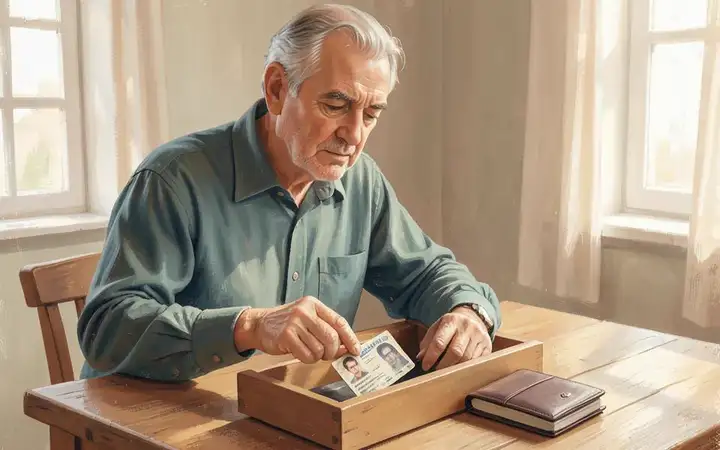
The Man Who Owned Nothing
Short story about sometimes freedom begins when we stop saying "mine."
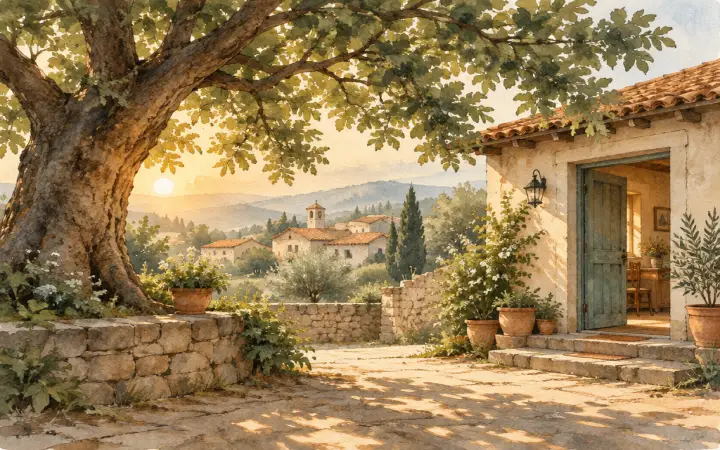
In a small village lived a man known for always keeping his door open.
If a neighbor needed a tool, he lent it.
If a traveler was hungry, he invited them to his table.
If someone spoke to him in anger, he listened before answering.
One day, his son asked him:
"Father, aren't you afraid people will take advantage of you?"
The father smiled and pointed to a large tree beside their home.
"Do you see that tree? Every summer, people take its fruit. Birds build nests in its branches. Strangers rest beneath its shade. I have never seen it ask which of them deserves to be there."
"But the tree doesn't need anything," the boy said.
His father shook his head.
"Neither do we need as much as we think. Much of our suffering begins when we say: Mine. I deserve this. Why does he have what I don't?"
Years later, when the father died, there was little property for his son to inherit.
But on the day of the funeral, people came from all around.
One told how his father had helped him when he had nothing.
Another remembered how he had sat beside her during the hardest time of her life.
A third simply said:
"He was the first person who made me feel that I was not a stranger."
Only then did the son understand.
His father had not lived like a man who had nothing.
He had lived like a man who did not need to possess anything in order to feel rich.
Perhaps freedom is not having more — but needing less, so the heart can open.
Ohananda.com
Bhagavad Gita 12.13–14
“One who is free from envy, a friend to all living beings, free from possessiveness and false ego, balanced in happiness and distress, and devoted in heart.”
Inspired by Bhagavad Gita 12.13–14, in which Krishna describes the qualities of one dear to Him. This is a modern retelling, not a translation of the Sanskrit.
Bhagavad Gita 12.13–14 lists qualities of a person dear to the divine: free from envy, a friend to all, without possessiveness or false ego, balanced in joy and sorrow, devoted in heart.
The story turns that list into a life. The father's door is open not because he is careless, but because he has stopped measuring who deserves what. His wealth is not in what he keeps; it is in what he is able to give away without counting.
What are you holding so tightly that it is holding you back?