The Same Word, a Different Person
Short story about simchat Torah — an ending, a beginning, and how we change between them.
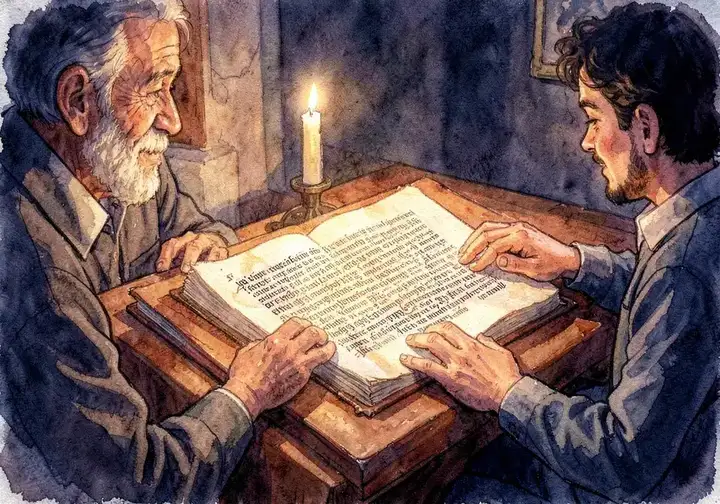
Every year Yonatan stood beside his grandfather on Simchat Torah. At the end of the reading, when they reached the final words of the Torah, his grandfather would smile at him. And then, almost without pausing, they began again. "In the beginning."
When he was small, Yonatan didn't understand. "But we just finished," he said once.
His grandfather laughed. "True."
"So why start again?"
His grandfather looked at him. "Because maybe this time we'll hear something we couldn't hear last year."
Yonatan didn't really understand.
The years passed. He grew up. Left home. Married. Became a father. Lost someone he loved. Changed work. Broke once or twice. Rebuilt himself too.
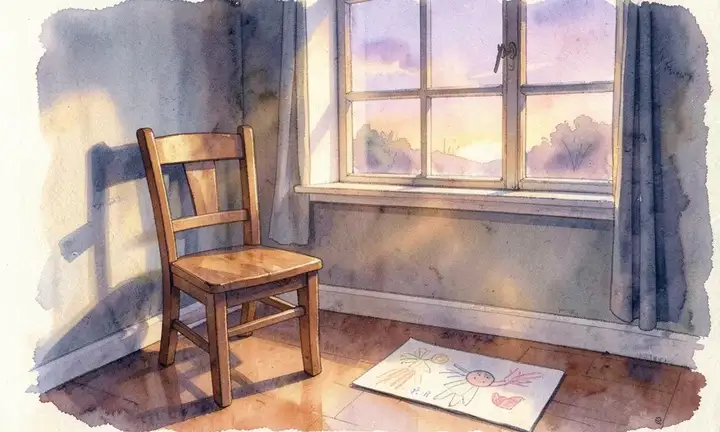
And then, after many years, he stood in the synagogue again on Simchat Torah. His grandfather was no longer beside him.
They reached the end. And then they began again. "In the beginning."
And suddenly the same word sounded different. It had always been a story about the creation of the world. Now it sounded like an invitation. To begin again. Not because nothing had happened — precisely because so much had.
He thought about his grandfather. About what he had said back then. And finally, he understood.
The text may repeat itself. Life does not. We return to the same words with a different heart, different fears, different loves, different scars. Which means the beginning is never really the same beginning.
The wisdom doesn't change each year — we change, and that is why we can meet a new depth in it.
The same words will open differently once you are different.
The spirit of Simchat Torah
Inspired by Simchat Torah — the ending that leads straight into a beginning, and the idea that there is no final reading and no beginning that is truly the first. No wording here is presented as a quotation.
On Simchat Torah the reading is completed and immediately restarted, without a pause. Not to review the material, but as a reminder that meeting a text depends mostly on who is reading it.
This is why Jewish tradition returns to the same pages year after year. Not because people forgot them — but because the person reading them this year is no longer the same person.
Questions & answers
+What is the message of "The Same Word, a Different Person"?
The same words will open differently once you are different. On Simchat Torah the reading is completed and immediately restarted, without a pause. Not to review the material, but as a reminder that meeting a text depends mostly on who is reading it. This is why Jewish tradition returns to the same pages year after year. Not because people forgot them — but because the person reading them this year is no longer the same person.
+Is this a true story?
Inspired by Simchat Torah — the ending that leads straight into a beginning, and the idea that there is no final reading and no beginning that is truly the first. No wording here is presented as a quotation.
+Which wisdom tradition inspired this story?
Jewish Wisdom — The spirit of Simchat Torah. Argument, blessing, and the work of repair.
Which sentence, book, or memory is worth returning to now that you are no longer who you were?
Every real ending is just the place where you begin again.