The Anonymous Gift
Short story about how loudly the self objects to being unseen.
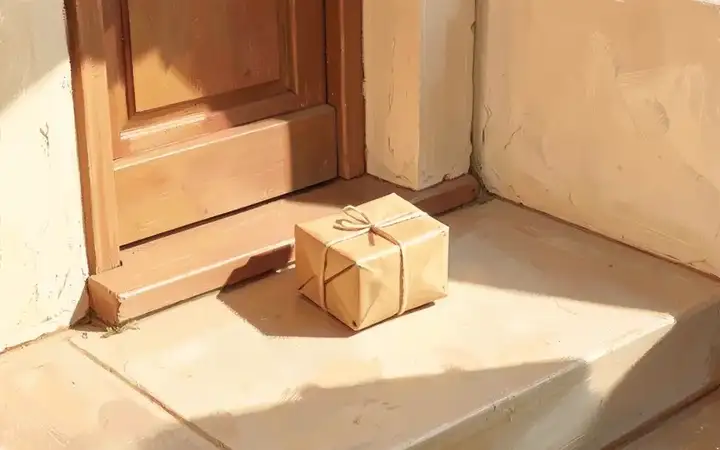
The plan was modest: one good thing, done once, that nobody would ever know he had done.
Choosing what took him a full week, which should have told him something. Every act he thought of had a witness quietly attached to it, someone who would eventually find out and be impressed.
In the end he left an envelope of cash in a neighbour's letterbox two streets over, at half past eleven at night when the street was empty, and walked home feeling magnificent, almost lightheaded.
The trouble started at breakfast. He wanted, with an intensity that genuinely frightened him, to tell his wife what he'd done. Not to boast, he explained carefully to himself, several times.
By Thursday the urge had found a new route out. Had the money arrived safely? Had anyone guessed it was him — and if not, why on earth not, after everything he'd done?
On Saturday he ran into the woman in the corner shop, the one he'd meant to help, and heard in his own voice a small, awful eagerness for her to mention an envelope, any envelope.
She talked about the weather instead.
He walked home understanding, slowly and without much pleasure, that he had spent nine days trying to pay himself back for a gift he'd claimed wanted nothing in return.
He did it again in October, to someone else, for no reason he announced even to himself. It was easier that time. Not easy. Easier.
Do one good thing nobody will ever know about, and listen to how loudly you object.
Sufi teaching on the nafs; al-Ghazali on sincerity (ikhlas)
Inspired by the Sufi treatment of the nafs (the self-asserting soul) and the emphasis on ikhlas — sincerity of intention — in writers such as al-Ghazali. The story is Ohananda's own.
Sufi psychology is precise about the nafs. It is not evil; it is hungry, and its favourite food is being seen as good by someone, anyone, as soon as possible.
This is why anonymity is used as a discipline across traditions — the Sufi orders, the Jewish idea of matan b'seter, the instruction not to let the left hand know what the right is doing. The practice does not aim to silence that hungry voice. It only aims at recognising it clearly, which turns out to be most of the battle.
Questions & answers
+What is the message of "The Anonymous Gift"?
Do one good thing nobody will ever know about, and listen to how loudly you object. Sufi psychology is precise about the nafs. It is not evil; it is hungry, and its favourite food is being seen as good by someone, anyone, as soon as possible. This is why anonymity is used as a discipline across traditions — the Sufi orders, the Jewish idea of matan b'seter, the instruction not to let the left hand know what the right is doing. The practice does not aim to silence that hungry voice. It only aims at recognising it clearly, which turns out to be most of the battle.
+Is this a true story?
Inspired by the Sufi treatment of the nafs (the self-asserting soul) and the emphasis on ikhlas — sincerity of intention — in writers such as al-Ghazali. The story is Ohananda's own.
+Which wisdom tradition inspired this story?
Sufism — Sufi teaching on the nafs; al-Ghazali on sincerity (ikhlas). The path of the lover.
What good thing could you do this week that nobody will ever know about?