The Hands That Learned to Forgive
Short story about the gentleness we offer others and forget to offer ourselves.

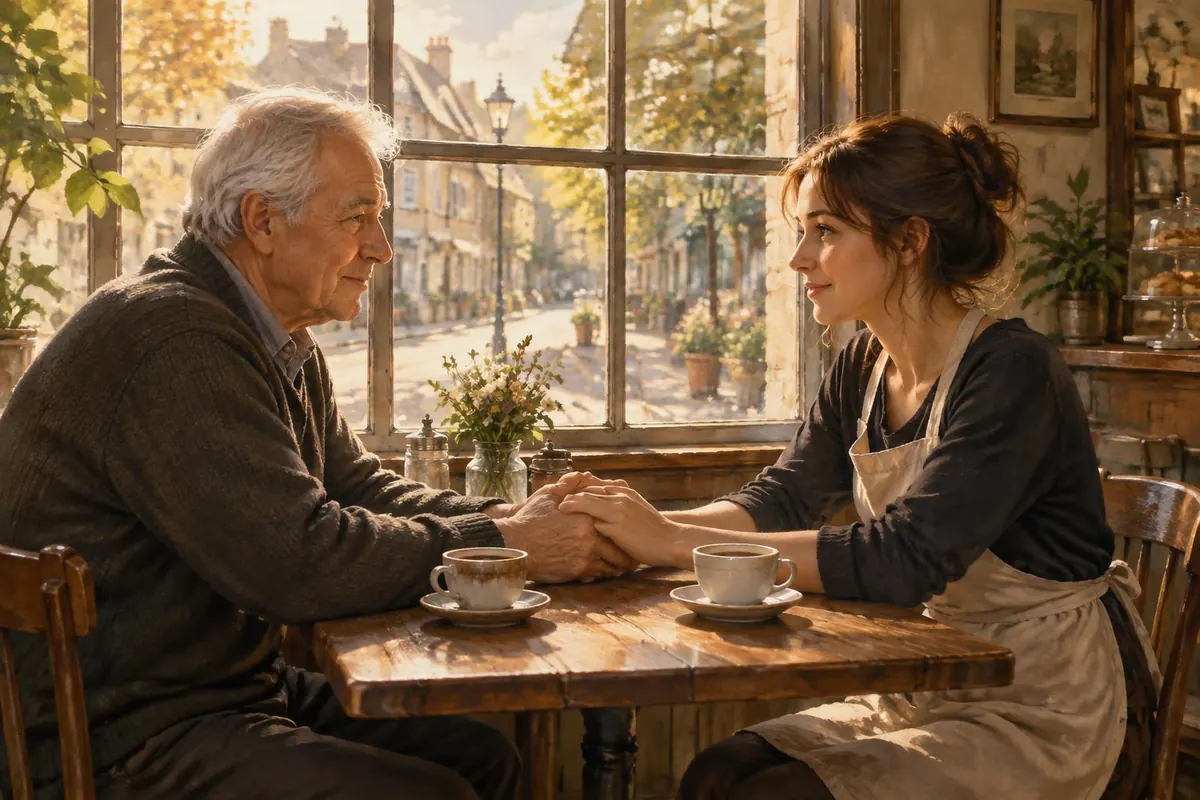
For thirty years, Naomi had been a nurse at a small hospital.
She held the hands of frightened patients, wiped away strangers' tears, and sat beside the sick long after her shifts had ended.
Everyone said she had an enormous heart.
Everyone except Naomi herself.
Because every evening, when she returned home, she remembered only the person she hadn't managed to help. The impatient word she'd spoken. The moment she'd been too exhausted to smile.
And one day, after making a mistake at work, she broke down.
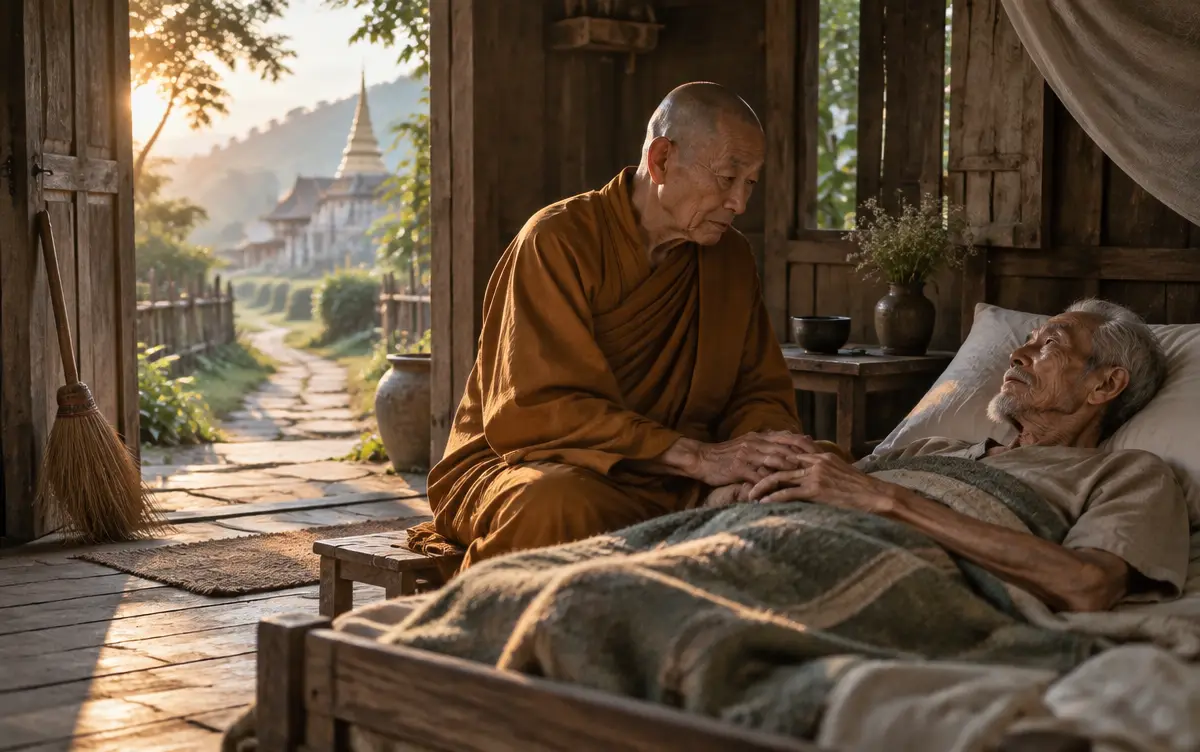
"I'm not as good a person as everyone thinks," she told an elderly monk sitting in the hospital garden. "I disappoint people. I disappoint myself."
The monk looked at her and asked:
"When a small child falls and gets hurt, what do you do?"
"I pick them up. Clean the wound. Hold them close."
"And if the child falls again?"
"I pick them up again, of course."
"Do you get angry at the child for falling?"
Naomi smiled sadly. "Of course not. They're already hurting enough."
The monk was silent for a moment.
"Then why, Naomi, when you fall, are you the only person in the world you refuse to pick up?"
She lowered her eyes.
"Because I should know better."
"Perhaps," the monk said gently. "But knowing better doesn't mean you stop being human."
That evening, Naomi returned home. As always, her thoughts began listing everything she'd done wrong.
She sat on the edge of her bed.
And for the first time in her life, instead of fighting those thoughts, she placed a hand over her heart.
"You had a difficult day," she whispered.
Tears immediately filled her eyes.
"You did the best you could."
Now she was crying, quietly and deeply, as though someone had finally noticed how tired she was.
Then she whispered:
"You deserve to be held, too."
There was no one else in the room.
And yet, for the first time in years, Naomi didn't feel alone.
Because after a lifetime of being the hand reaching out to everyone else,
she discovered that her own hand deserved to be held, too.
Karuṇā — Buddhist compassion, including toward ourselves
An original fictional story inspired by Karuṇā, Buddhist compassion toward suffering, applied here to our own suffering as well. Naomi and the monk are literary characters; this is not a traditional Buddhist parable or a historical account, and the dialogue is not a quotation attributed to the Buddha.
Self-compassion isn't abandoning responsibility or growth. It's recognizing that even when we make mistakes, we deserve the same gentleness we offer others.
Questions & answers
+What is the message of "The Hands That Learned to Forgive"?
Self-compassion isn't abandoning responsibility or growth. It's recognizing that even when we make mistakes, we deserve the same gentleness we offer others.
+Is this a true story?
An original fictional story inspired by Karuṇā, Buddhist compassion toward suffering, applied here to our own suffering as well. Naomi and the monk are literary characters; this is not a traditional Buddhist parable or a historical account, and the dialogue is not a quotation attributed to the Buddha.
+Which wisdom tradition inspired this story?
Buddhism — Karuṇā — Buddhist compassion, including toward ourselves. The end of suffering through clear seeing.
If you spoke to someone you love the way you sometimes speak to yourself, would they feel loved?